
Preferred Insulation Contractor in Hollister CA - Sealed Leaks and Insulation That Works
Premier Hollister Spray Foam Insulation handles attic insulation and spray foam for houses in Hollister, Gilroy and the cities around them. We also pull out old, dirty insulation and insulate crawl spaces under houses with cold floors.
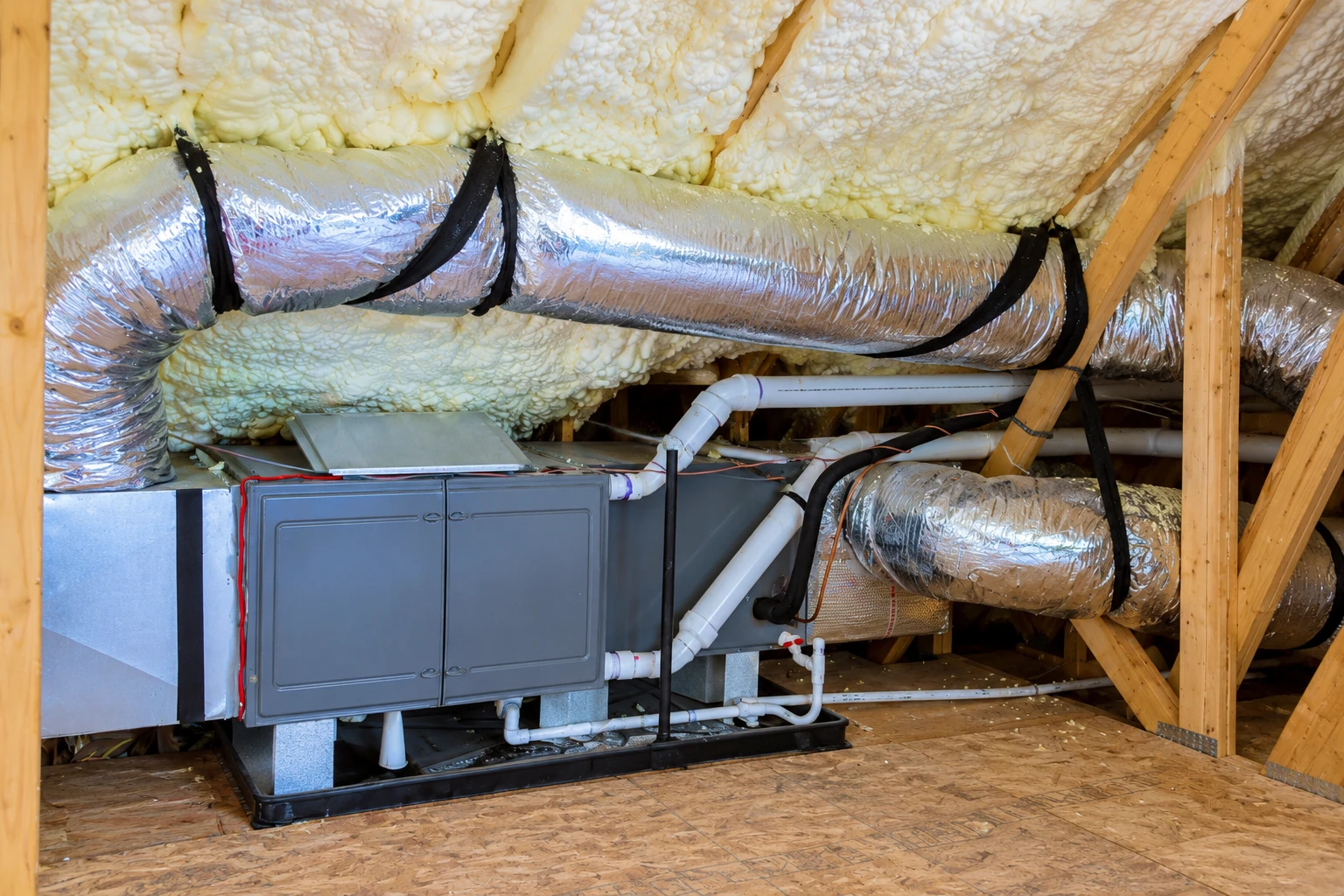
Insulation contractor in Hollister, CA since 2017
Premier Hollister Spray Foam Insulation is an insulation contractor based in Hollister, CA, and I started it here in 2017 after years of crawling attics on other people's crews. We're fully licensed and insured, and we handle 16 kinds of insulation work for houses and businesses in Hollister and the cities around it. We're best known for the unglamorous part, which is finding the gaps and the problems before any insulation goes in. There's more on who we are and how we work.
Insulation work we do around Hollister
We insulate and seal homes and businesses, from the attic down to the crawl space. Price and schedule turn on how much old material comes out, how many gaps need sealing and how tight the space is, and your written estimate lays it all out.
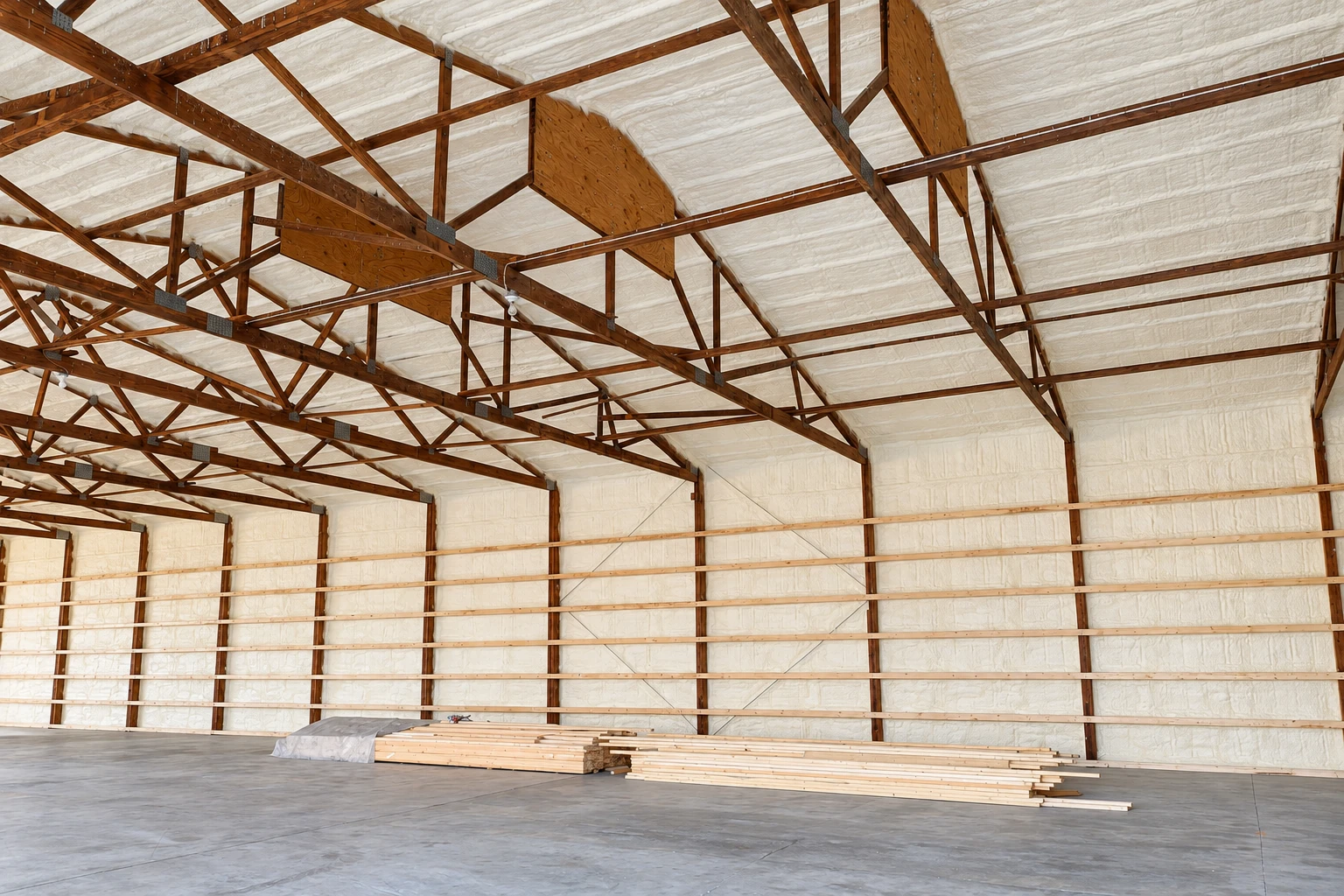
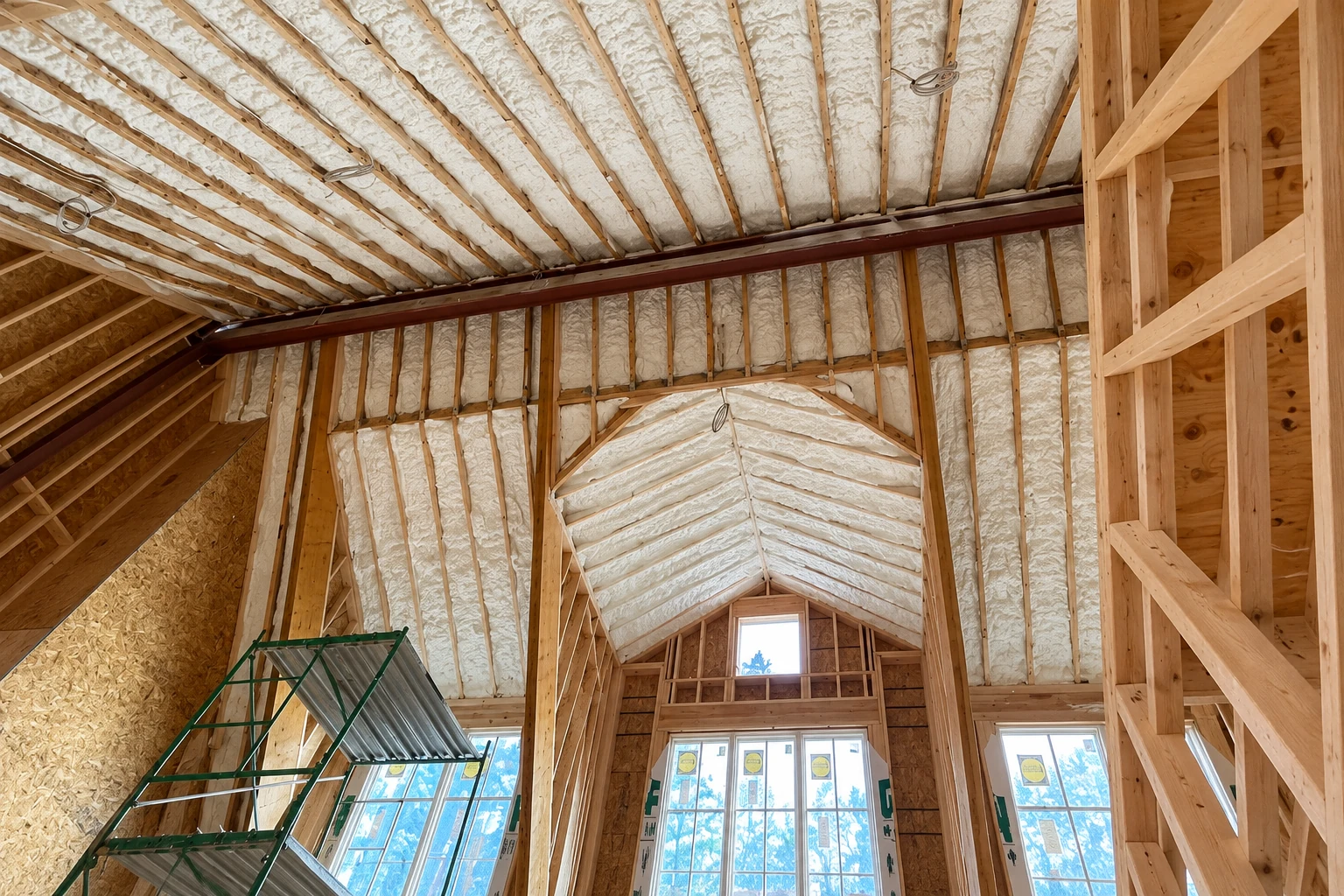
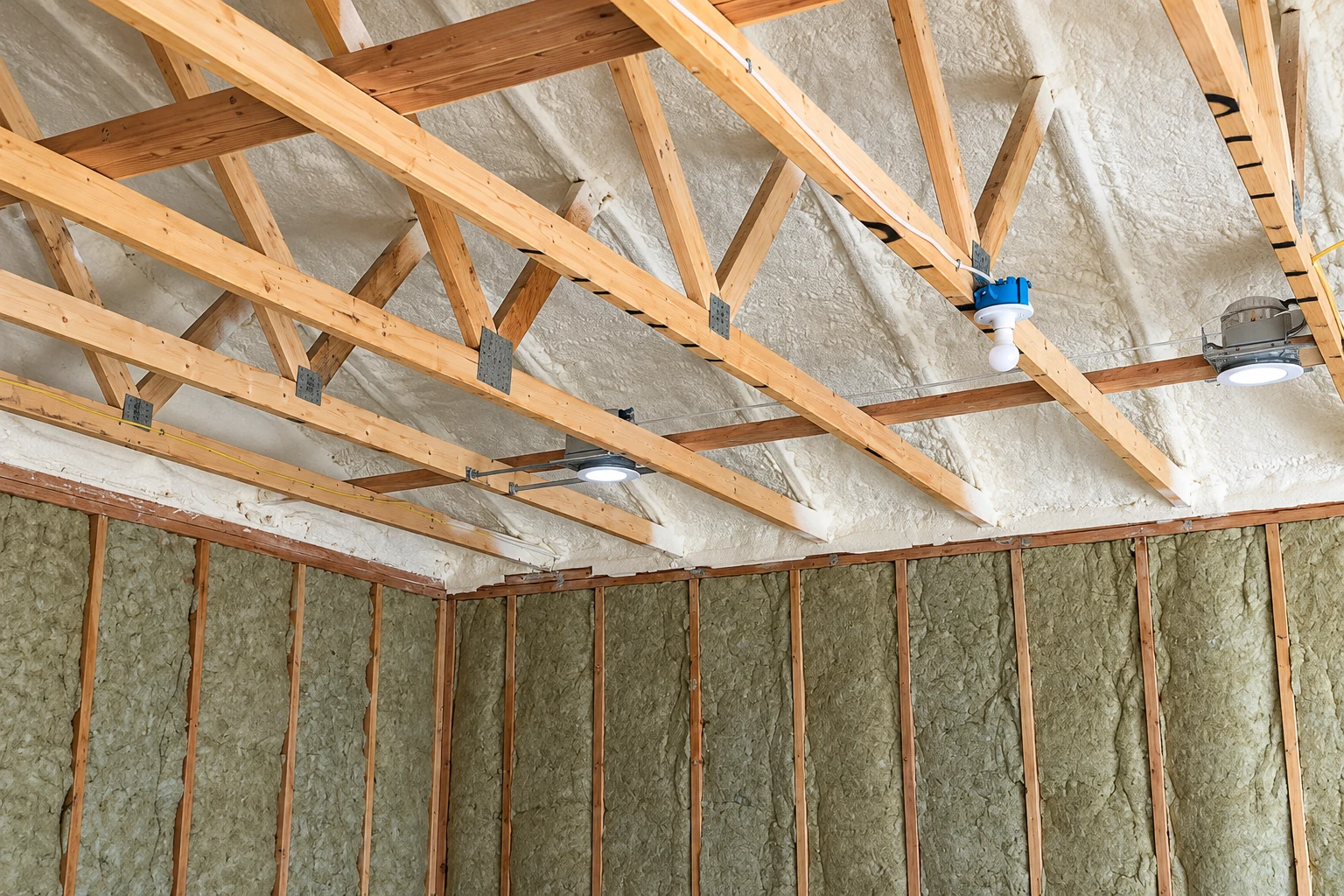
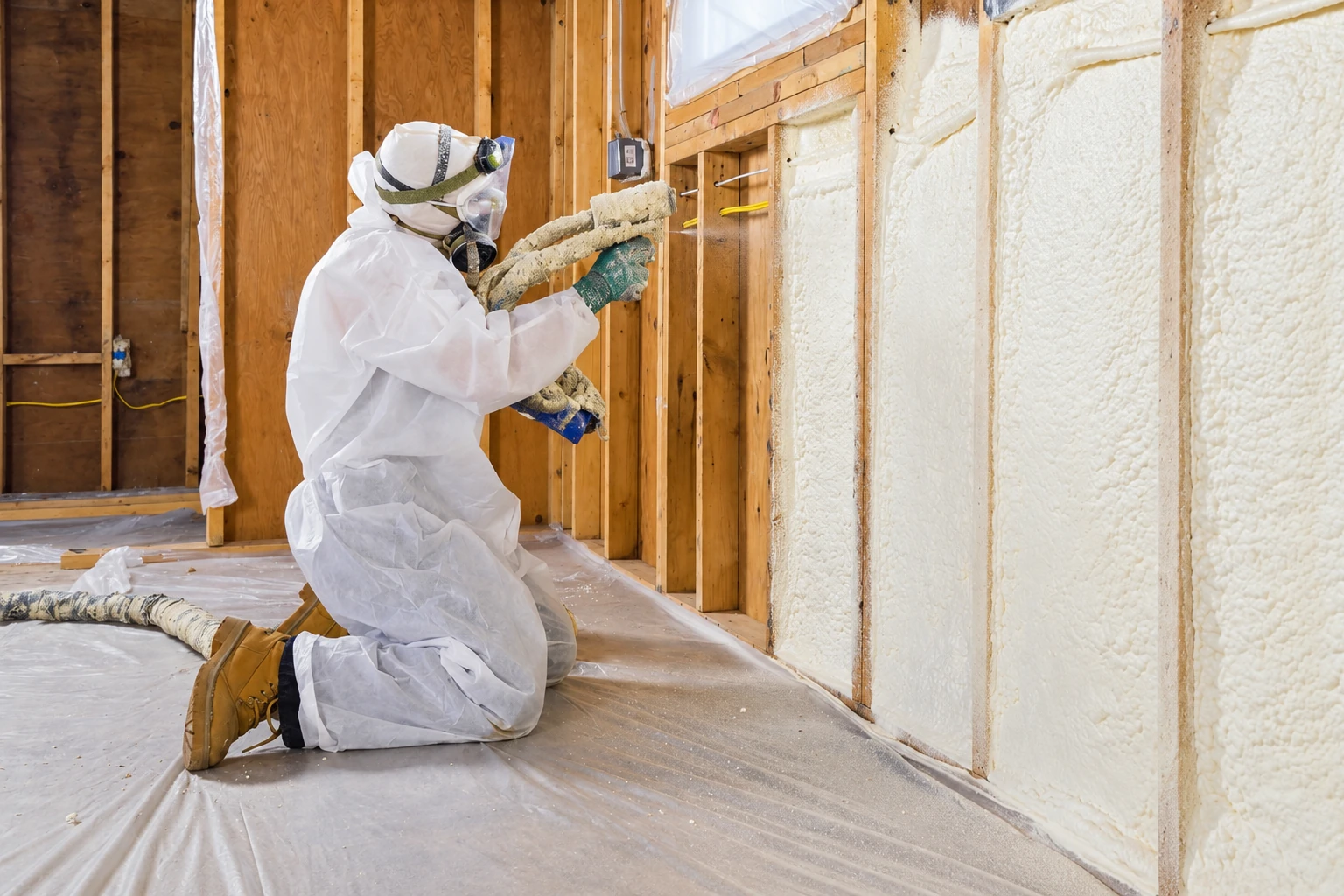
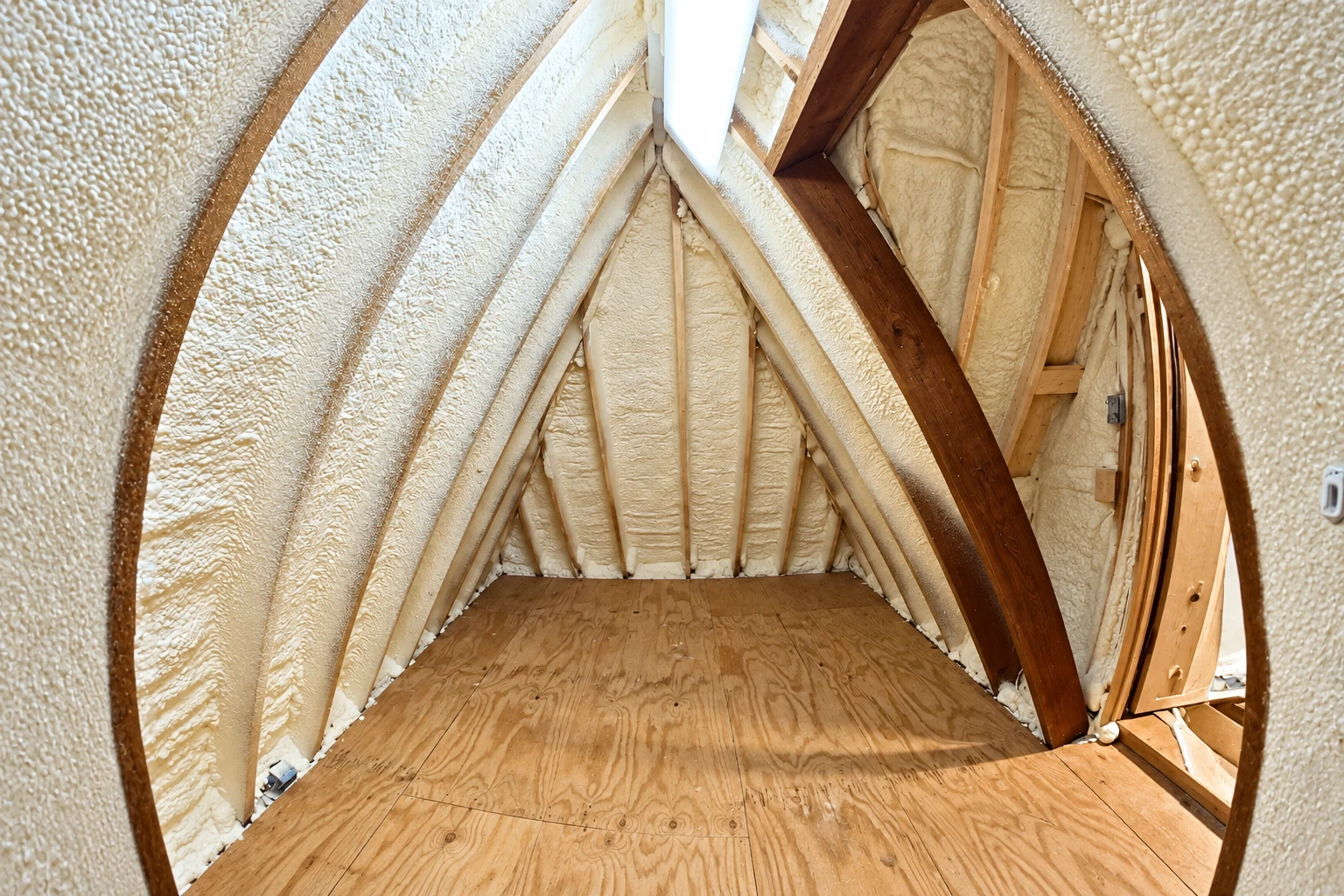
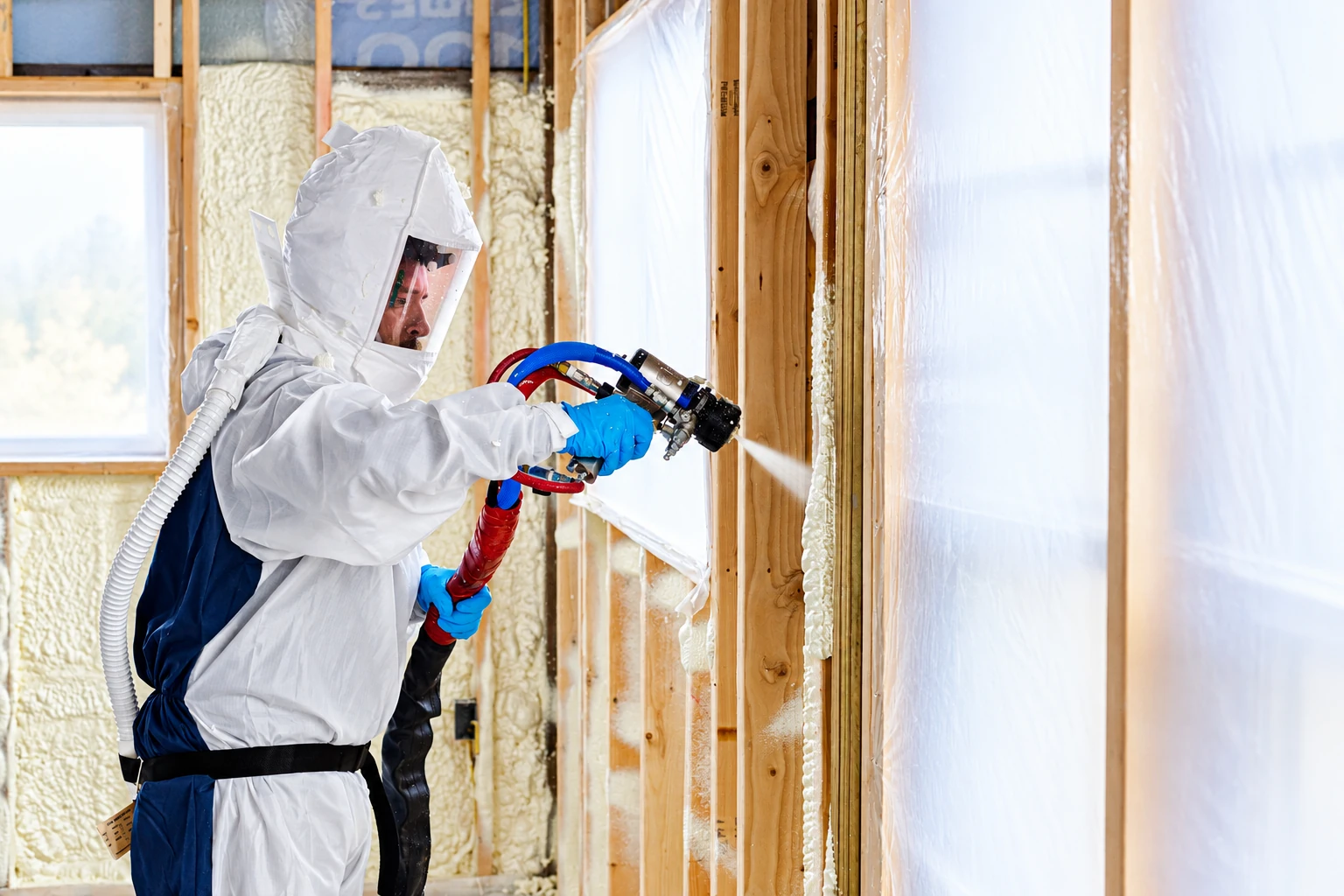
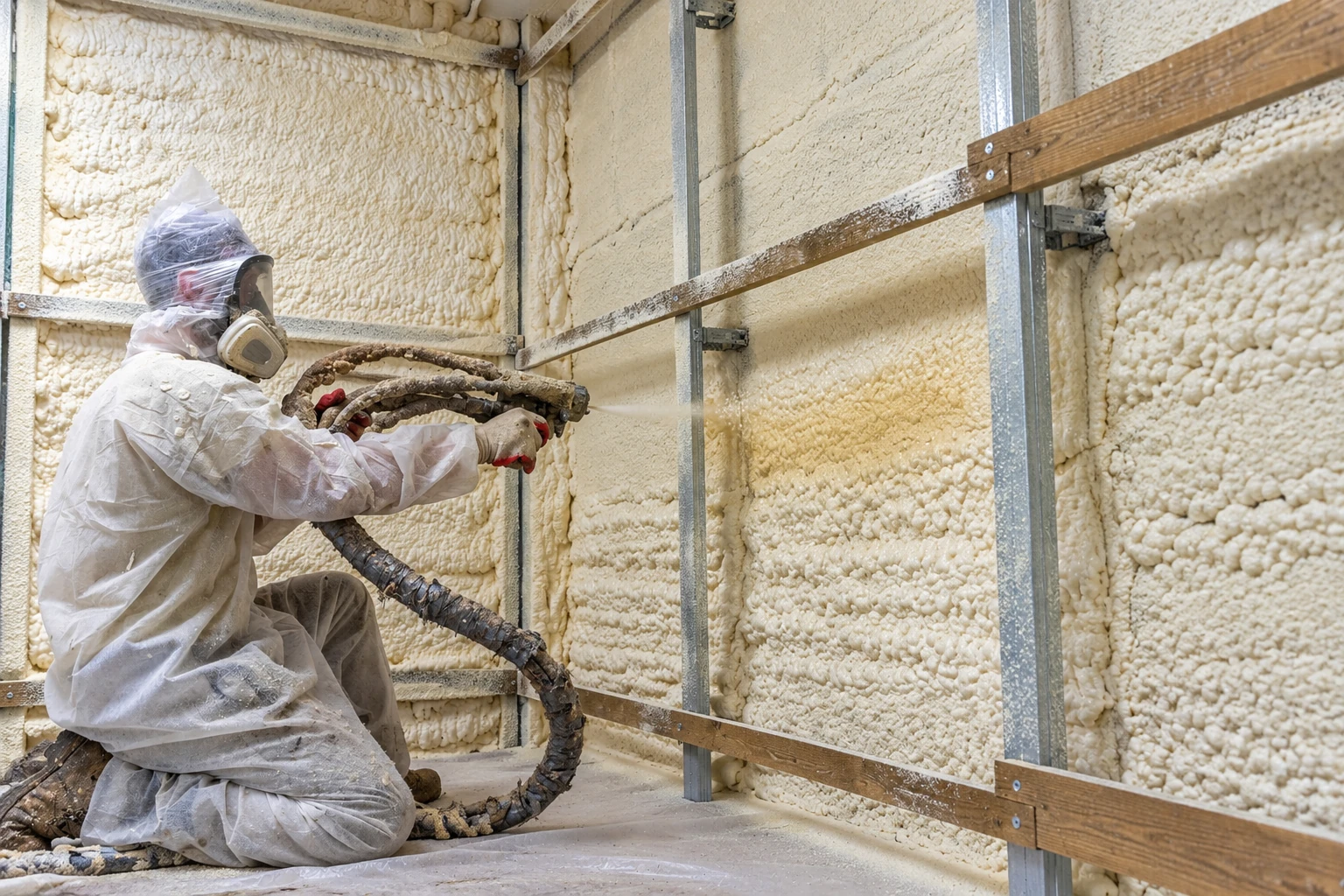
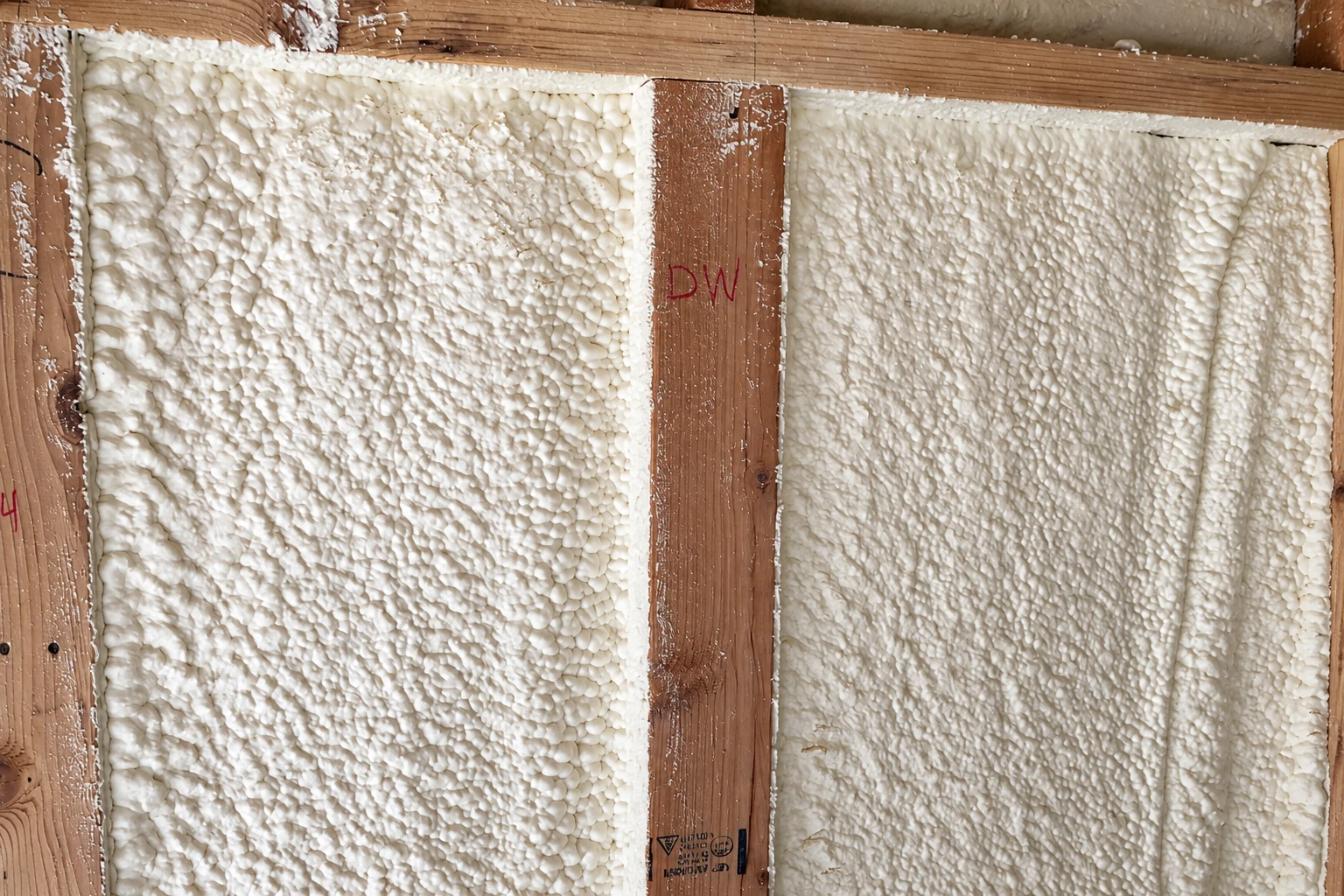
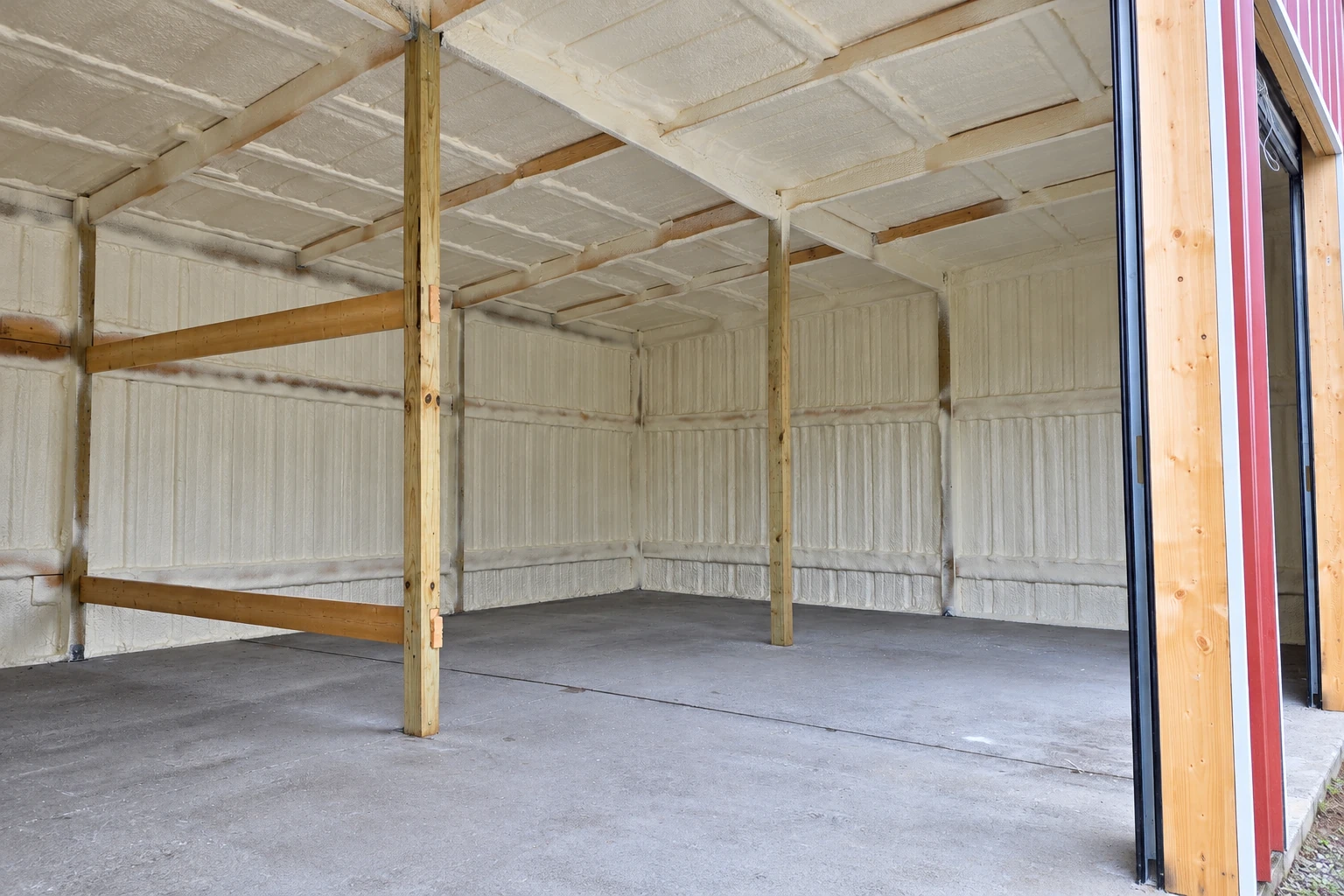
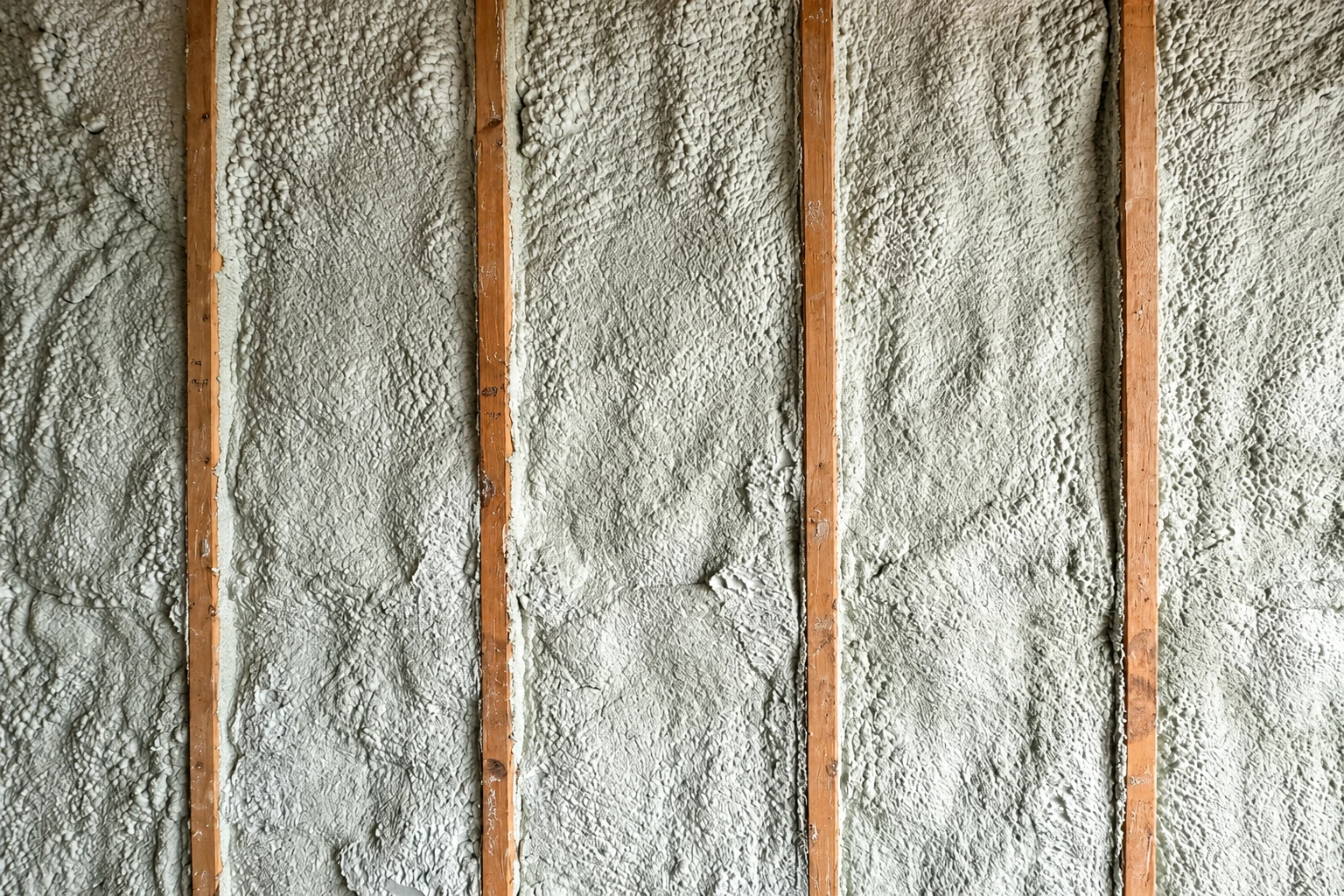
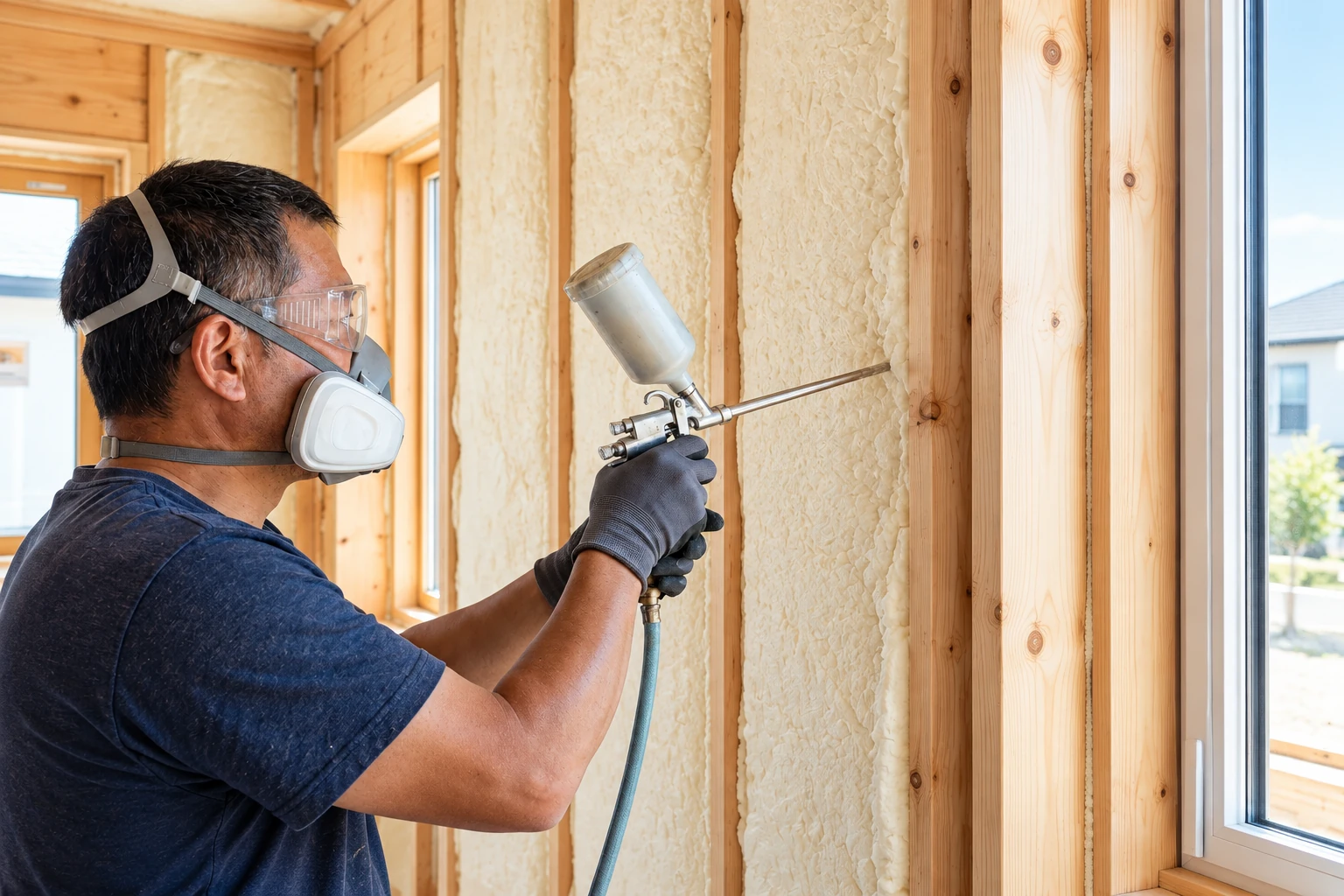
Spray foam seals air while it insulates, so it suits rooflines and walls where gaps are hard to reach. We spray open-cell or closed-cell, depending on moisture.
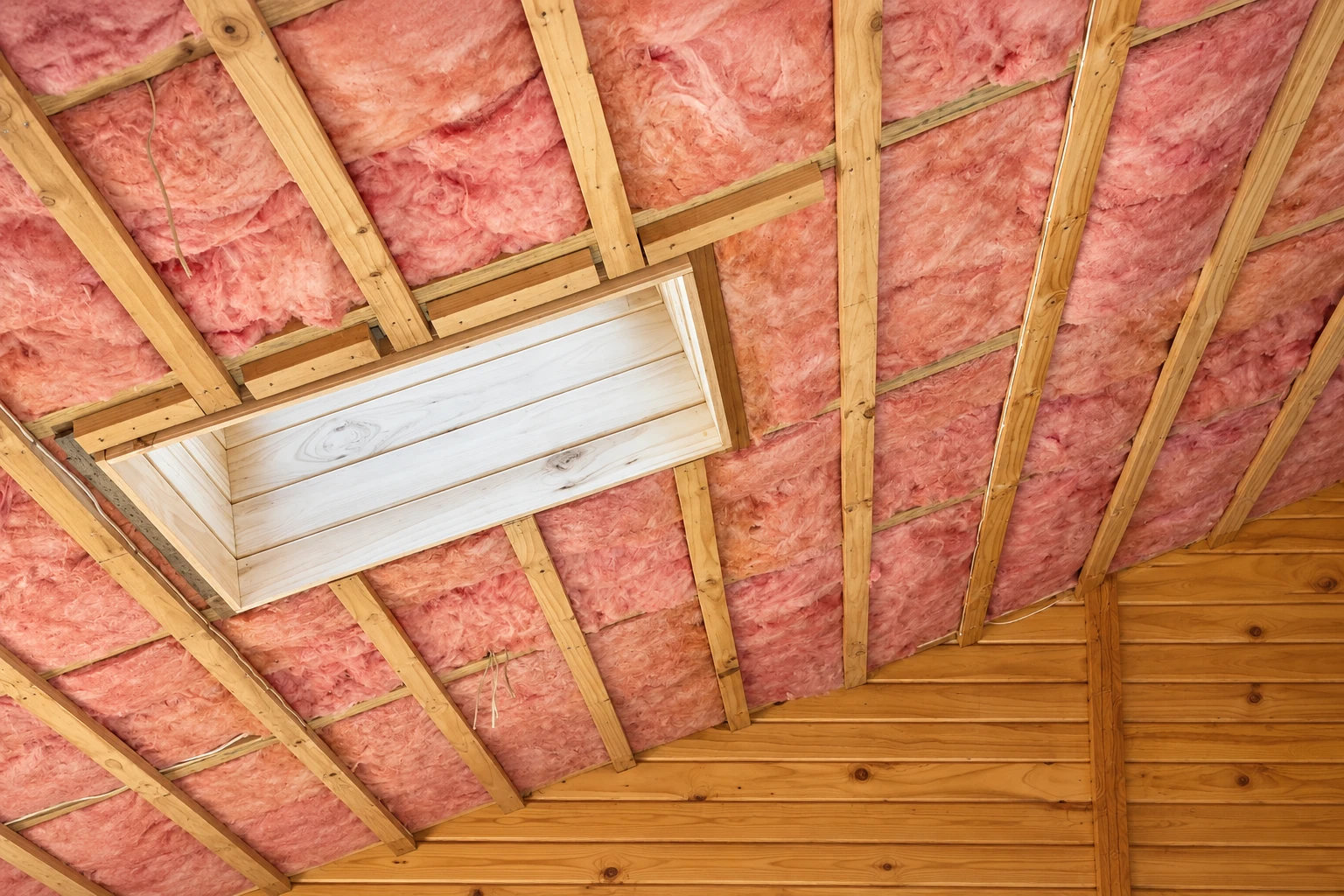
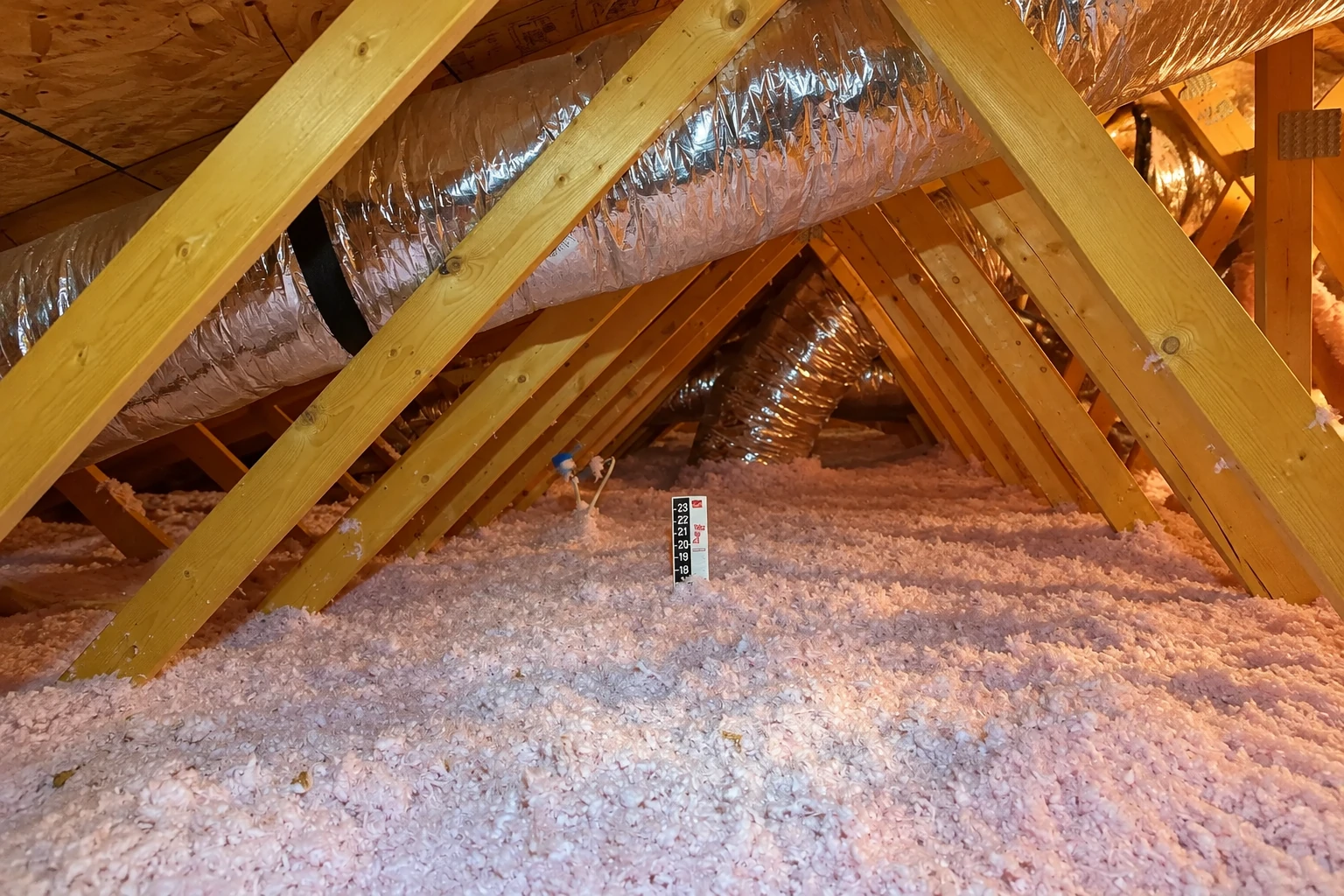
We measure the inches already up there, seal the gaps and top up evenly to the edges. When the old stuff is dry and clean, topping up beats tearing out.
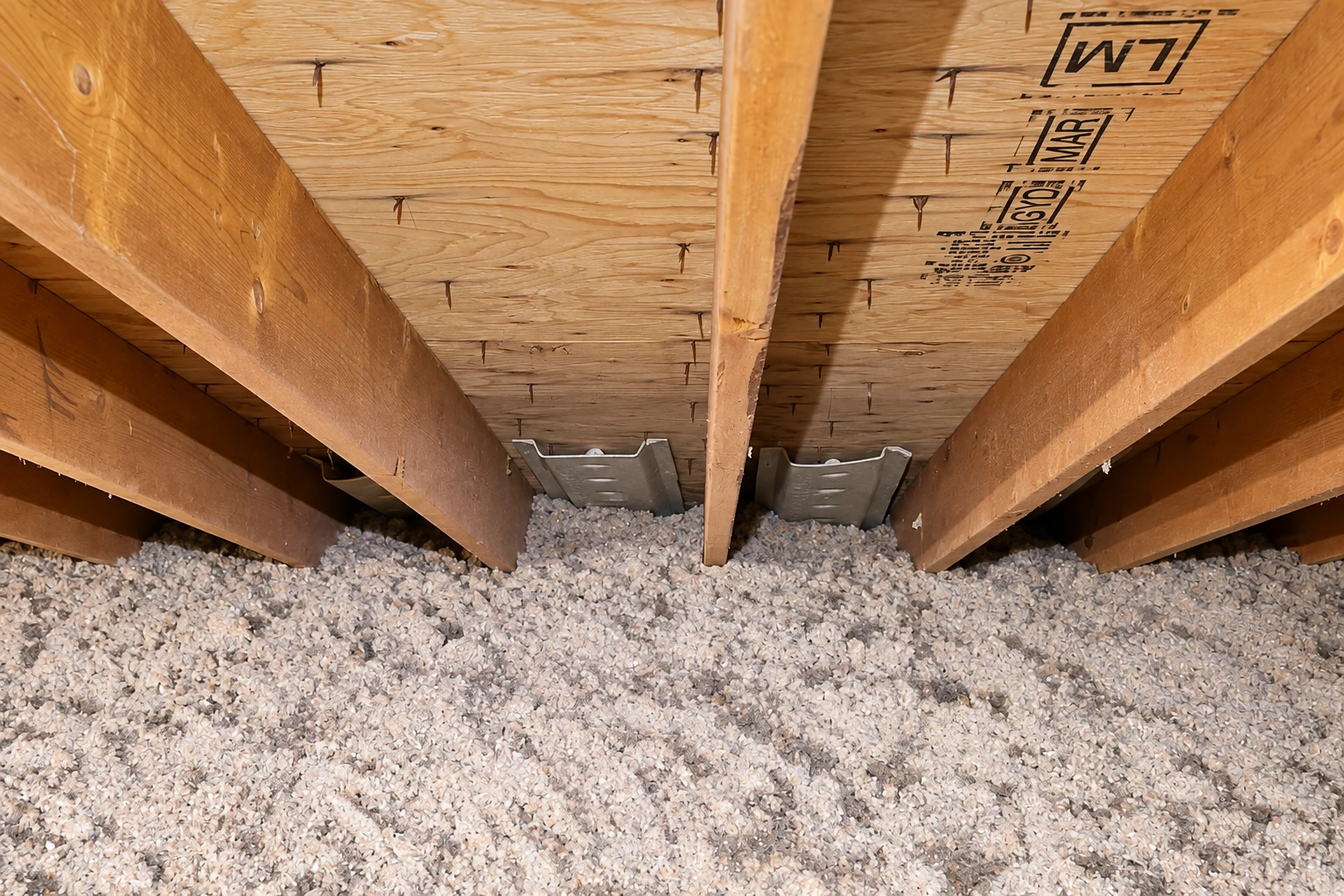
Blown-in insulation is loose fill sent through a hose, so it reaches corners and around framing that batts miss. It's usually the best value for an open attic floor.
We go through the attic, walls and crawl space together and tell you which fix comes first, so you can do the work in stages if that suits your budget.
We pull out insulation that got soaked, packed down or full of droppings, because new material over it just buries the problem. Then we clean the attic for a fresh start.
Cold floors usually trace back to the crawl space. We insulate under the floor or along the walls, depending on how it's vented and whether ducts run through it.
For exterior walls with little or nothing inside, we fill the cavities without tearing out the drywall, or use foam when a wall is already open for a remodel.
We close leaks around the house, from plumbing holes under sinks to gaps where the house meets the foundation. Insulation slows heat, but sealing stops a draft.
Basement walls and the framing on top of them get insulated so the space below and the floor above stay warmer. On concrete, foam usually beats batts, which can trap moisture.
Closed-cell foam is dense and blocks moisture, so it suits damp crawl spaces and walls. It costs more than open-cell, so we use it where damp is the worry.
Open-cell foam is softer and lighter, filling odd shapes and sealing air on roof decks and inside walls. It costs less than closed-cell, but it's not for damp spots.
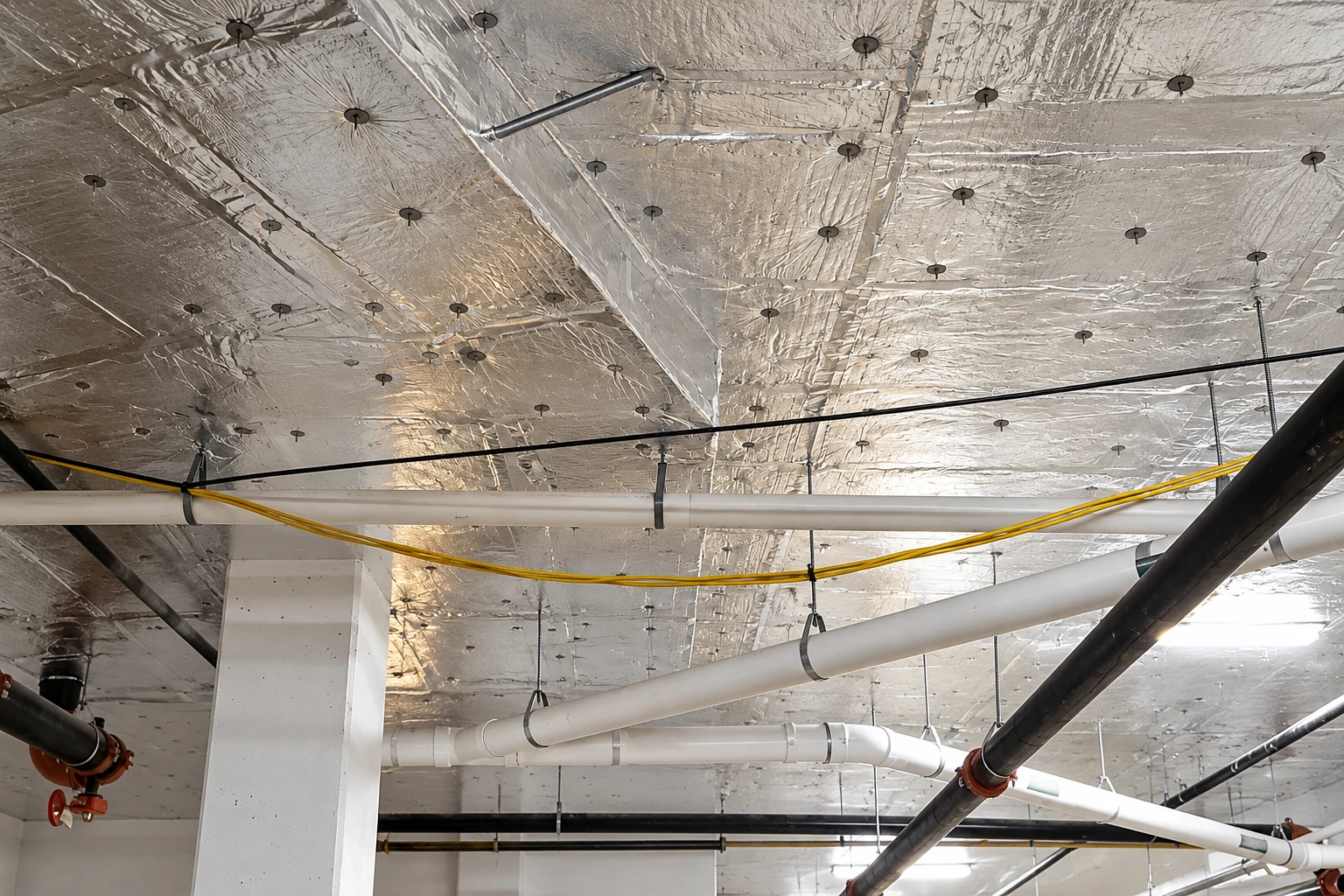
For shops, offices and small buildings, we seal first and insulate after, the same as a house. We plan around your hours where we can so you can stay open.
Heavy plastic goes over the crawl space dirt to keep ground moisture down. We look for standing water first, since plastic over a wet problem only hides it.
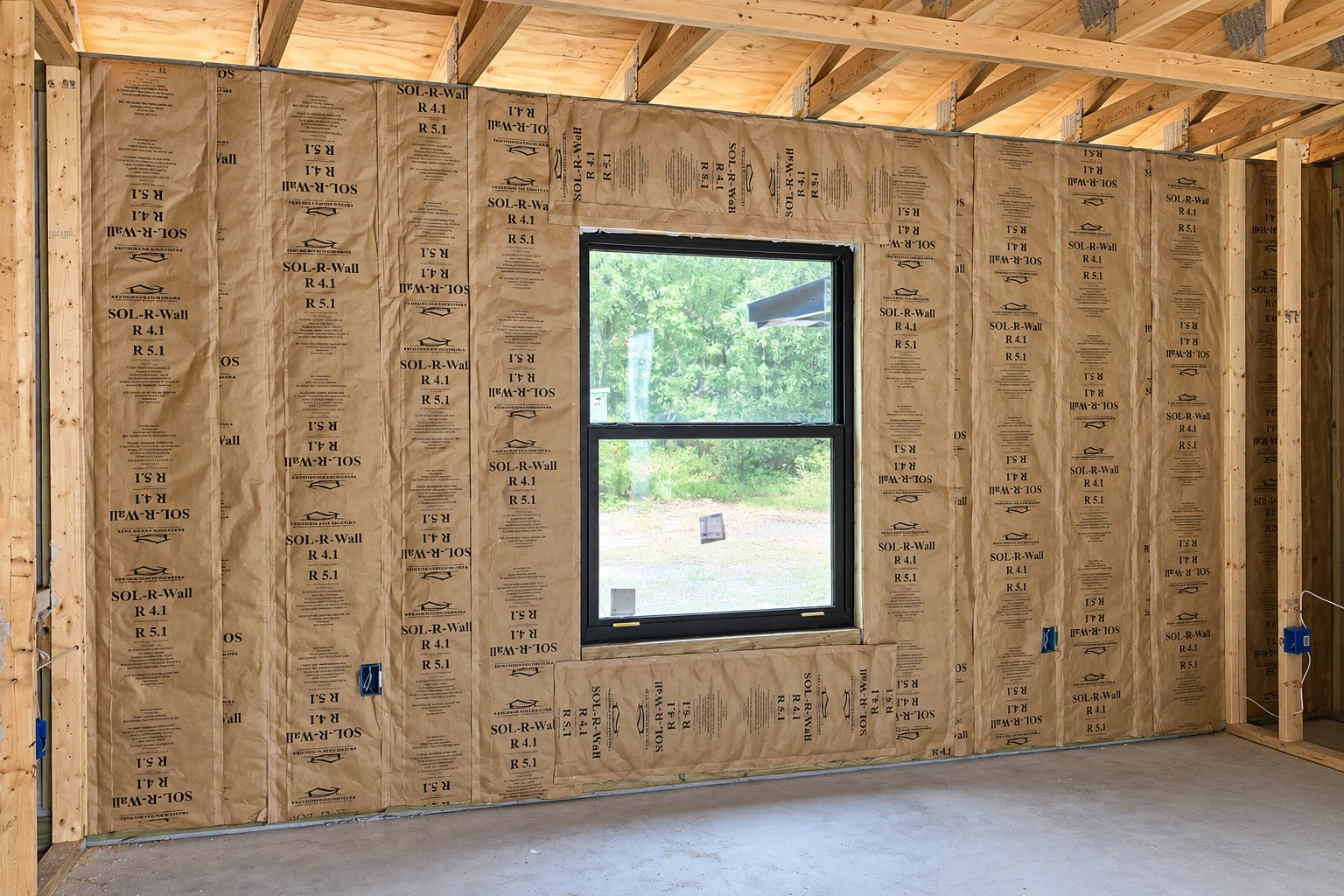
A vapor barrier slows moisture moving through walls and ceilings. Whether you need one, and on which side, depends on the wall, so we check before anything goes up.
Before an attic gets more insulation, we seal around can lights, pipes, wire holes and the hatch, so warm air quits escaping and new insulation isn't fighting a draft.
Older houses were often built light on insulation. We add it to finished walls, attics and floors without gutting rooms, usually working from the attic, crawl space or outside.
What happens after you call us
You call, I come out
Call (831) 245-4007 or use our contact form, and we'll reply within one business day. I come out myself to look at the attic, crawl space or walls, and the visit is free with no obligation.
A written estimate, problems first
You get a written estimate that lists what has to be fixed first, like wet spots, old wiring or dirty insulation, then what we'd do and why. If the job needs a permit, we sort it out with the right office before we start.
We install, I check it
Our crew does the install, sealing the gaps before any insulation covers them, because insulation over open leaks is money spent twice. Then I check the work myself, and we walk through it with you before we call it done.
What good insulation work looks like
Insulation questions from Hollister homeowners
Is spray foam better than blown-in insulation for my attic?
Usually not, unless your ductwork runs through the attic. Foam costs more and seals air while it insulates, which is worth it when the ducts sit up there, but for most attics, sealing the gaps and topping up with blown-in does the job for less. I'll tell you that even with spray foam in our name.
Do we have to leave the house during insulation work?
Usually not, unless the job is spray foam. Blown-in insulation and air sealing happen in the attic or crawl space while you go about your day. With spray foam, everyone stays out, kids and pets included, until the foam maker's re-entry time, the wait before it's safe to come back in, has passed. I'll go over it with you first.
Do I need a permit for insulation work in Hollister?
It depends on the job and the address, so I check with the city or county building office for each house, and we handle the permit when one's needed. The City of Hollister won't issue a building permit until it approves a plan for keeping the job's waste out of the landfill, and starting work without the permit raises the fee.
How much can a contractor ask for up front in California?
In California, a down payment on home improvement work can be no more than $1,000, and less on a smaller job, under the rules of the Contractors State License Board, which licenses contractors to protect homeowners. Other payments have to be listed in the contract and tied to work done or materials delivered.